Proven way to “Repeat” — send a follow-up mailing to raise 1/3 more

Repeat mailing letters.

There’s a simple way for small nonprofits to increase revenue by 1/3 for most of their campaigns.

There aren’t that many “tricks” that nonprofits can use to raise more money immediately. But this is one of them.

Repeat Your Message in a Follow-up Mailing

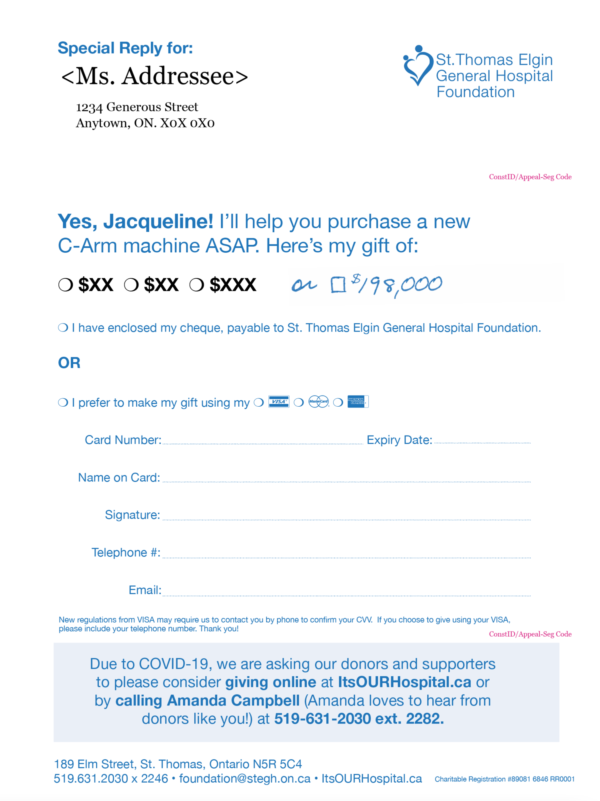
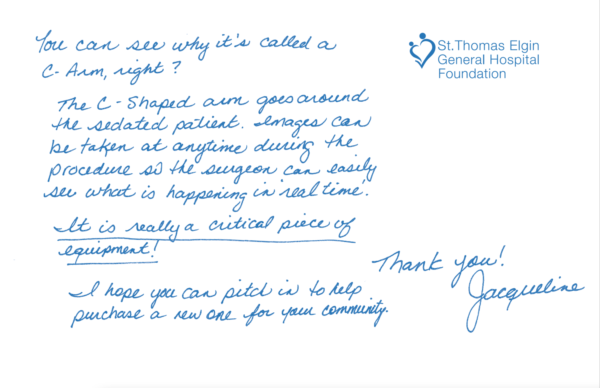
Here’s what to do almost any time you have a mailing going out with a time-sensitive deadline: send a follow-up mailing, with the exact same main message as the initial mailing, a couple of weeks after your initial mailing.

A “follow-up mailing” is a proven tactic that large nonprofits have used for 60 years. And a few years ago I noticed something when our smaller clients added follow-up mailings…

The Benefits of a Follow-up Mailing

  • The follow-up mailing will raise about 1/3 what the initial mailing raises.
  • Sending a follow-up mailing will not materially reduce the amount of money the initial mailing raises.

So by sending a follow-up mailing you’ve increased your revenue by 1/3.

And that 1/3 is new money. Additional revenue. It’s from donors who otherwise wouldn’t have given to the campaign.

An Example

Say you have a Back-to-School campaign every August. And you normally mail your letter around August 7th.

Here’s what I’d do. Send your Back-to-School letter earlier, around July 25th. Then send a follow-up mailing on August 9th.

The follow-up letter should have exactly the same main message as your first letter. Repeat the same phrases and the exact same call to action. Just make it a little shorter, and mention the deadline for response a couple times more than you did in your first letter.

The second letter will raise about one third of what your first letter raises. And your initial letter will raise about the same amount that it always does.

Why This Works

There are two reasons this works:

  1. Not every donor received your message the first time you sent it. Some were on vacation, some didn’t open the mail, etc.
  2. Not every donor who received your initial mailing was convinced that it was important enough to respond to. Have you ever had to repeat something to someone who wasn’t really paying attention the first time? It’s the same thing here. Donors are generous, compassionate, busy people who aren’t always paying attention.

The Cost Is Clear

It’s pretty easy to figure out if you should add a follow-up mailing.

Say your Back-to-School appeal letter raises about $20,000 and costs $2,500 to mail.

You can assume your follow-up appeal will raise about $6,500 on costs of about $2,500. You’ve just created an extra $4,000 in revenue you can use for your Back-to-School campaign.

Usually, the only reasons not to do a follow-up mailing are if:

  • The cost of the follow-up appeal doesn’t cover the increased expense.
  • There’s something else you could be saying to your donors during that period that would raise more than the follow-up appeal would raise.

No Negative Effects

There are basically no negative effects to doing a follow-up mailing.

Your donors won’t unsubscribe or complain from too much mail. You won’t drive them away. They won’t give less later.

And if you’re worried about the follow-up letter bothering some donors, put a line in the letter that says, “I’m sorry if you sent in a Back-to-School gift and our letters have crossed in the mail. But I’m writing today because it is so important that the kids walk into school their first morning with everything they need to succeed…”

This Tactic Works

It works in the mail, in email, on social media, on the phone.

It works because not all of your donors got your message the first time. And not all of the donors who got the message the first time were convinced that it was important enough to respond.

I know I’m repeating myself from above, but it’s that important.

Repetition works, people!

There Needs to Be a Need

If your organization has ever written the following sentences, this post is for you. These are all real sentences from real appeals and e-appeals.

  • “Will you please consider sending in a gift today?”
  • “Will you help us do more of this good work?”
  • “Please partner with us by…”
  • “Become a supporter and…”

Most nonprofits don’t realize they Ask this way

When I work with nonprofits who ask for donations using phrases like the ones above, I ask them about it. Specifically, I ask, “Why did you phrase it this way? Why did you not ask for a donation, but instead you asked for something else?”

They usually respond and say, “What do you mean? We asked for money!”

Then I walk them through their fundraising materials and say something like, “The words you used did not ask for money.” Using the four real-life examples above, the organizations asked their donors for:

  • Consideration
  • To help the organization
  • To partner with the organization
  • To support the organization

It’s astonishing how many appeal letters I review that don’t clearly ask the donor to send in a gift. (That’s doubly-astonishing when the one job of an appeal letter is to appeal for funds!)

Most Nonprofits write this way because they are scared about asking for money

Fundraisers – and often the Executive Director – are afraid that boldly asking for a gift will “turn people off” or “make us look desperate” or “make us look like we don’t manage money well.”

Let me be blunt: those fears are unfounded. When organizations make bold Asks to send in a gift today they raise more money and keep their donors for longer.

There’s a reason pro fundraisers write appeals that say things like, “Please, while you’re holding this letter, take out your checkbook and send in a gift today. You’ll love helping a person…” It’s because it works so much better.

More on this below, but most donors are moving fast. They aren’t taking the time to think about whether your organization is desperate, or whether you manage money well or not.

Most of your donors are just wondering if someone or some thing they care about is in danger, and if their help is needed. And if the donor’s help is needed, they assume you’ll ask them directly.

Because if you say things like “please support our mission…” or “will you please partner with us today…” – does that sound like there’s an urgent need and that the donor’s gift will address it? No. It doesn’t. Sounds like things are probably going just fine. And when things sound like they are going fine, fewer donors give.

Donors Love Directness

Remember, most of your donors are looking at your fundraising appeals while they are doing other things; getting ready for dinner, processing their mail, etc. They are moving FAST, and they usually only give your letter or email a few seconds of attention.

Note: this can absolutely be different when you are talking to your Board, or some major donors who have deep relationships with your organization. But usually those people make up less than 5% of the people who will be reading (whoops, I mean scanning) your fundraising materials. This is why you should either be a) writing to the 95% instead of to the 5%, or b) segmenting your mailings.

Ask any pro fundraiser who has a lot of experience with fundraising to thousands and millions of people at a time: your ability to make it easy for your reader to know exactly what you want them to do, and know what their gift will do, is incredibly important.

You tend to get more of what you ask for. If you ask for ‘consideration,’ you’ll get more of it. If you ask for ‘support,’ you’ll get more of it (but who knows what their support will look like). And if you ask for a gift today, you’ll get more gifts today.

Don’t Accidentally Hide The Need

By not asking boldly and directly, many nonprofits accidentally hide the need from their donors.

Their donors continue to get letters and emails that never directly ask for money. After a while, the donors think that the organization must not need the money that much!

True story: after Better Fundraising starts working with organizations, many of them receive the following comment with the first big influx of gifts: “I had no idea you needed more money and that more people needed help. I’m happy to help!!” Their note is usually accompanied by a larger than normal gift.

That’s because there’s some other nonprofit that’s currently asking your donors for gifts. It’s happening in the mailbox of your donors today. So I urge you to Ask with boldness and directness for your donors to send you gifts! You’ll raise more money, you’ll present a truer picture of the need your organization exists to meet, and your donors will love your clarity and directness!